Walk through any large exhibit area, and you’ll notice that in some parts, it is packed, and people are talking, while in other parts, it is quite quiet, even though those exhibitors are equally skilled.
In a sense, this difference is not necessarily linked to the product, but rather to the flow of the visitors. The behavior of the visitors, their halting points, and their lines of attention. None of this is random. There are patterns to it.
Expositions are sustained by attention. The more steps a person must take, the more decisions they are making in determining where to spend their time. The more confusing or crowded the space is, the less they are likely to linger.
For the exhibitor, that equates to fewer conversations and fewer leads. For the organizer, it results in the opportunities conferred from having unwanted ‘bottlenecks’ in certain areas and empty areas in other booths.
Good visitor flow helps keep the energy well-balanced within the space. Visitors don’t experience any unnatural or forceful sense of movement.
Experienced planners would not randomly place booths. Zones are established based on category, visitor interest, etc. For instance, high-interest categories are sometimes placed further back in the hall rather than near the entrance. This ensures visitors walk through more of the exhibition before reaching some of the major attractions.
Food courts, seminar areas, and rest zones are also positioned strategically. They function as anchors that can naturally bring people together from across the different sections of the venue.
Well-designed zoning ensures that crowds are properly distributed rather than concentrated in one area. Wide aisles are also part of this consideration. If aisles are too narrow, visitors will try to move faster through the congestion. However, if aisles are wide and well-marked, shoppers will slow down and start to investigate. This can result in greater engagement at different stalls.
First, there is the area of entry and exit, which determines the pace. For example, if the registration system, signs, and maps are easily understandable, one can begin the journey in a calm state of mind. On the other hand, if the entry point is disorganized, one enters in haste without noticing other exhibitors.
Exits are also important. Revisits of visitors to these booths near the exit while leaving are taken into consideration if these booths are near the exit route. Therefore, some booths are requested by the exhibitor to be near the exit route.
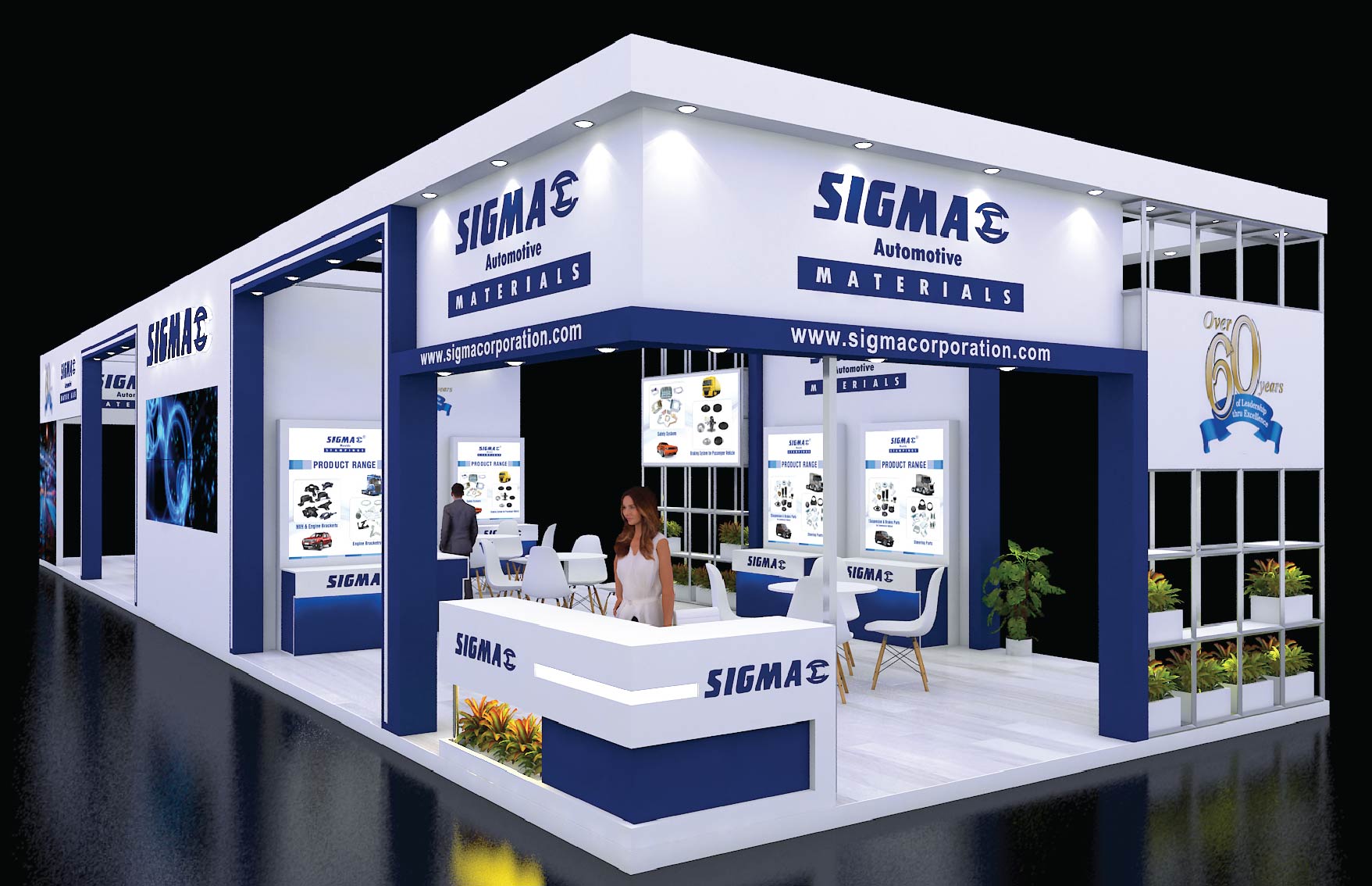
Here is one aspect of the trade show that many businesses tend to underestimate: the design of the booth can affect the flow of traffic, not only inside the booth but also around it. Open spaces encourage people to enter the space. It becomes easy to convey messages. This way, visitors can know what the company offers within a matter of seconds. The interactive content encourages them to stay, thus increasing the number of visitors.
There are many small details in a space as well. The placement of a counter can obstruct the entrance area. Lack of sufficient lighting may lead the audience to assume a booth is closed when it is actually open. Conversely, good space planning can create a perception of an open space without the need to actively promote it.
The behavior of the visitor also varies throughout the day. For instance, in the morning, the movement is rapid as people aim to get the overall view of the festival. In the midday period, the movement slows down as people get into more in-depth discussions. In the late afternoon, people return to the booths they explored in the morning.
Organizers plan staffing levels, announcements, and activity scheduling around these types of patterns. Presentations and live demonstrations are usually scheduled during peak hours of activity to ensure maximum visibility.
It is a modern-day phenomenon to use data in exhibitions to comprehend movement. The use of heat maps and digital registration helps in identifying the areas that attract the most attention.
This information proves useful in fine-tuning the layout for further editions. The information is equally beneficial to the exhibitors in being able to ascertain whether their strategies in placing the booths are working as expected.
The interesting part is how small changes can make a large difference. Issues like changing the direction of the aisle or moving a stage can dramatically change the access to an entire space.
The science of the flow of visitors is at the crossroads of design, psychology, and logistics. It is not always tangible, yet it influences every single visitor experience. When the flow is natural and seamless, visitors engage for a longer time. And isn’t that ultimately the goal of every event?
In the case of companies planning to participate in an expo, getting assistance from experts who are knowledgeable in layout strategy, placement of booths, and visitor engagement could prove to be advantageous. Numerous business companies search for specialized assistance with regard to stall design and execution. Companies such as Fusion Corporate Solution provide support in designing booths that not only look impressive but are also easily navigable in such huge expo centers.
At the end of the day, exhibitions are about connections. The less complex and laborious the connection process is, the more significant that connection becomes.
Also Read: The Psychology of Booth Design: Attracting Visitors
Also Read: How to Choose the Right Exhibition Stand Type
Also Read: How 3D Design is Revolutionizing Exhibition Stands
Also Read: How to Design an Eye-Catching Exhibition Booth
Also Read: The Rise of Interactive AV (Audio-Visual) in Exhibitions
Also Read: Virtual vs. Physical Exhibitions: What Works Best?
Also Read: How AI is Transforming Event Engagement
Also Read: Mistakes to Avoid in Exhibition Planning