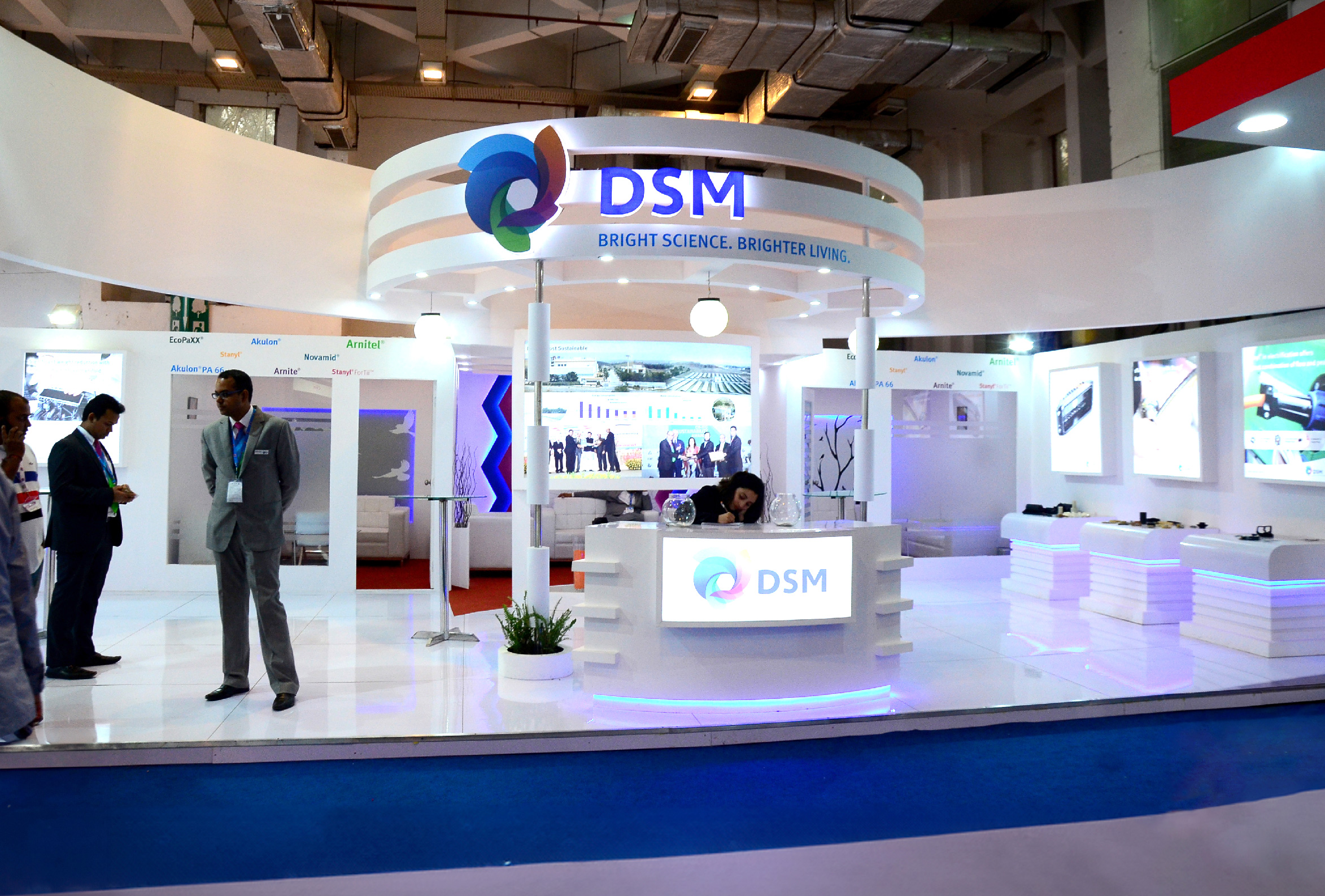
An excellent exhibition booth does more than fill space. It's not only about hanging walls or posters. Your booth represents who you are. It is a direct portrayal of what you do. It exhibits why someone should care about your brand. Exhibition booth design is less about making people look. It’s more about making them feel something. Done well, it's an experience that resonates with everyone. It shines through.
Think of it like your brand in real life. Every colour, font, and layout speaks. With impactful booth ideas, you attract attention and spark interest. Research says that 48% of people feel a good booth opens up honest conversations.
Before you dive in, pause and think. What do I want from this event? More leads? A product launch? Brand awareness? Your trade show strategy should match your answer. A bright booth always begins with clear exhibition marketing goals. Booth planning tips often stress this first step. Know who you are talking to. Are they buyers, visitors, or partners? Nearly 67% of exhibitors say knowing their target audience improves booth performance significantly. When your booth speaks to the right people, things click better.
If your goal is a product launch, focus on demos. If it is networking, make space for chats. Match the booth layout with your plan.
People walking by will judge your booth in seconds. That is why booth graphics should do the talking. Use bright colours, clean shapes, and bold ideas. Let your design tell your brand’s story right away. An eye-catching trade show booth does not mean something extravagant. In fact, 92% of attendees notice visual branding before they hear a word from staff. Simple works if it is smart. Your images, banners, and branding should point to one clear message. Booth design ideas often start here because visuals are the first hello.
Big headings should be seen from far away. Subheadings should guide the eyes. Small text should be explained clearly and easy to scan.
A booth design should feel like a smooth walk and not a puzzle. 70% of visitors say they spend more time at booths with a clear and easy layout. The best exhibition booth layout makes it easy for people to come inside, explore, and engage. Use zones as a welcome space, a display area, and places to talk or rest. This is thoughtful trade show space planning. An open booth design feels fresh and welcoming. Add signs or small guides to show people where to go gently. When the layout flows well, visitors stay longer and learn more.
Use lights, rugs, and chairs to lead people through the booth gently. Design their path with care.
Cool tech makes people stop and look, but helpful tech makes them stay. Use interactive booth technology that lets visitors do something. Try touchscreens, AR tools, or social media walls. Trade show AR/VR does not need to be fancy. It just needs to be fun and helpful. Your exhibition tech ideas should match your goals. Are you teaching? Showing off something new? Then, pick tools that help with that. Nearly 61% of attendees are more likely to remember a booth that uses interactive tech.
Make helpful tech. Let people interact, try products, or give feedback live. Use it to connect through it.
Your booth should feel like your brand itself. Not just look like it. If you are playful, show it. If you are classy, show that, too. Good booth branding ideas stick in people’s minds. Add personal touches that feel real. A cohesive trade show design tells your story across every detail. Overall, try practising brand storytelling in booths. Show your brand’s true self. It increases your trust among people.
Use light music, scent, or touchable surfaces. Small things can leave big feelings. It showcases your personality.
People forget posters. But they remember how you made them feel. Give visitors something to do and engage them. Trying to make an engaging trade show booth to attract. Studies say that emotional connections lead to a 2x higher likelihood of brand recall. Make your booth hands-on. An immersive booth experience turns visitors into fans. experiential marketing solutions at exhibitions is all about memory. Let your booth tell a story they get to be part of. Make it feel like more than a stall; make it an event.
Make them smile, wonder, or laugh. Emotion is the shortcut to memory; it remains stored for a long time.
Your booth team is not just there to stand. They are your face, your voice, and your brand. Practice timely booth team training programs. Good trade show staff tips include training them to be kind, clear, and helpful. Booth staff should make visitors feel welcome. 67% of attendees say staff behavior heavily impacts their impression of a booth. Teach correct event booth etiquette, such as saying hello, keeping good eye contact, and knowing the product. When your team is ready, your booth shines brighter.
Give staff tablets, info cards, and quick facts. Make them ready for any question they can face.
It is often the little things that make your booth feel polished. Neat wires, clean lighting, tidy shelves. All of these are trade show booth elements that send a silent message: you care. Use booth lighting tips to create a warm and welcoming mood. Choose soft touches that make the space feel nice. These finishing touches for booths are what turn good into great. Even smell and sound can help. People may not notice every detail. But they will feel it. And that’s enough.
Offer water bottles, mobile charging, or tiny giveaways. These add warmth and care. These add a personal touch.
Your booth journey starts way before the doors open. Share teasers online, message your leads, and build hype. Pre-event booth marketing makes people look for you when they arrive. During the event, go live, post reels, and use QR codes. Booth promotion ideas, like contests or giveaways, keep people interested. After the show, follow up with a quick message. Trade show marketing plans should not stop on the last day. Keep the conversation going.
Post stories, tag visitors, and say thanks. Follow up with them. It can build relationships and also make them strong. According to surveys, 44% of leads are lost without proper post-show follow-up.
A great booth grabs attention and stays in someone’s mind. It is more than just a design; it is your brand’s voice made visible. Going bold, simple, and authentic creates something people talk about and remember long after the lights go out. When the goal is to build a booth that truly stands out, thoughtful design and execution make all the difference. For the best exhibition stall design, connect with Fusion Corporate Solutions and explore our exhibition stand design work. You can start your project discussion anytime through our contact page.
Because it reflects your brand identity and creates emotional connections. A great booth is an immersive, strategic experience—not just a visual setup.
Start with clear goals. Define if your objective is lead generation, brand awareness, or launching a product. Your layout and design should reflect that purpose.
Very. Knowing who you're talking to helps you design a booth that resonates, resulting in better engagement and conversion rates.
Bold graphics, clear brand colors, and readable text hierarchy. A good visual communicates your brand instantly and invites interaction.
Use an open layout with clear zones for welcome, display, and conversation. Guide visitors subtly using lighting, furniture, and design elements.
Use tech that adds value—AR/VR demos, touchscreens, feedback kiosks, or social media displays. The goal is to engage and educate visitors.
Focus on emotion and interaction. Use senses (sound, scent, touch), add games or demos, and let your visitors participate—not just observe.
Absolutely. Your team is your front line. Train them to engage warmly, answer quickly, and represent your brand confidently.
Clean cable management, soft lighting, scent, music, giveaways, and even charging stations. These touches enhance professionalism and visitor comfort.
Yes! Tease it online, engage during with reels and QR codes, and follow up afterward. Great booths start early and continue after the event ends.
Also Read: The Psychology of Booth Design: Attracting Visitors
Also Read: 7 Pro Tips to Make Your Exhibition Stand Interactive
Also Read: How to Choose the Right Exhibition Stand Type
Also Read: How 3D Design is Revolutionizing Exhibition Stands
Also Read: The Rise of Interactive AV (Audio-Visual) in Exhibitions
Also Read: Virtual vs. Physical Exhibitions: What Works Best?
Also Read: How AI is Transforming Event Engagement
Also Read: Mistakes to Avoid in Exhibition Planning