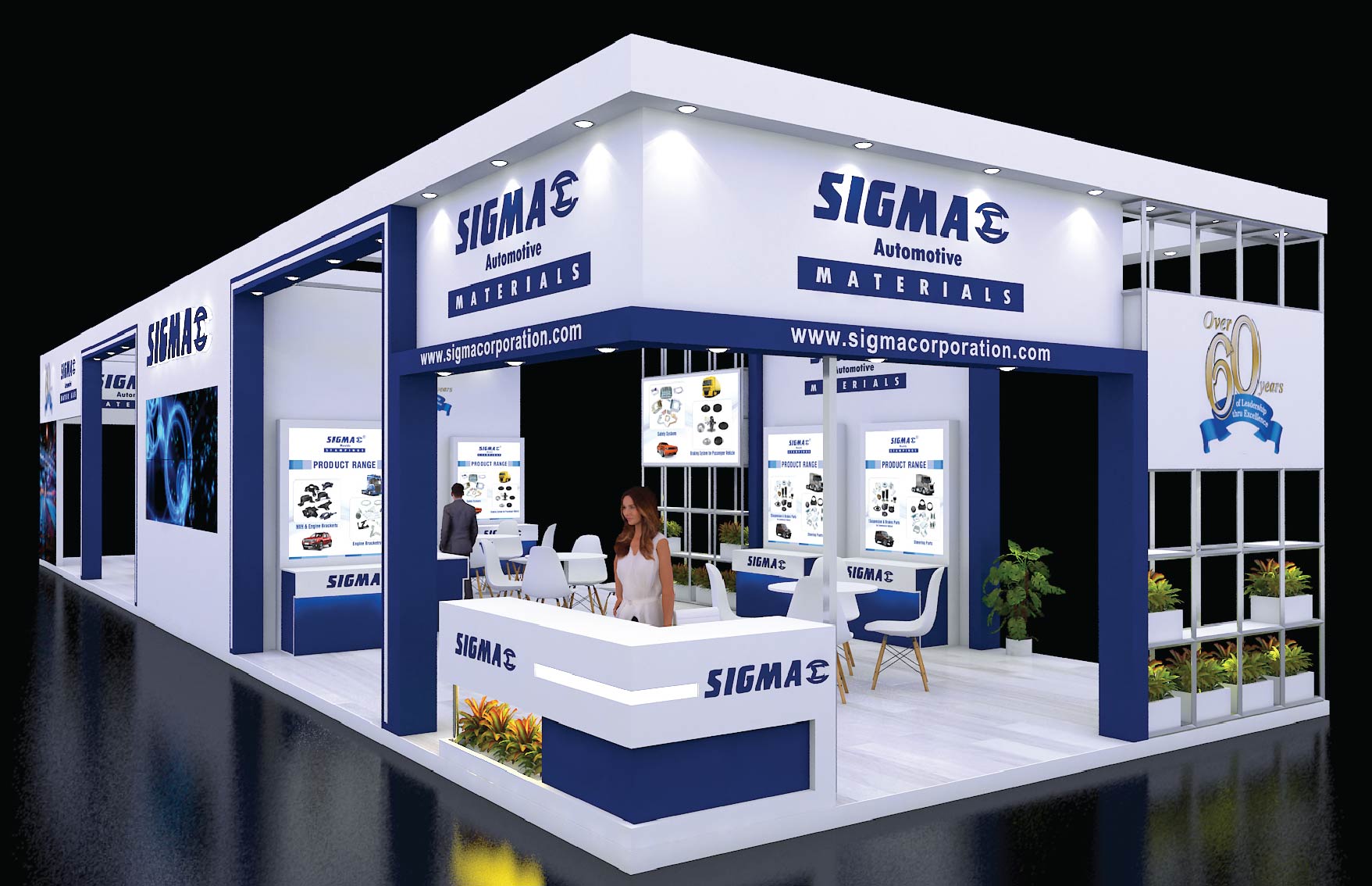
Have you ever walked into an exhibition and felt like you have stepped into a different world? That’s the magic of 3D exhibition booth transformation. An exhibition, also known as a trade show, is a platform where businesses or individual creators showcase their creations to potential customers. Therefore, the construction of the exhibition booth or stand plays a pivotal role in attracting more audiences. 3D exhibition design has become a popular choice for modern exhibition stands. They help create an immersive trade show experience, unlike traditional 2D booths. Know how 3D designs transform exhibition stands. In this blog we check out how 3D design is revolutionizing exhibition stands.
Designs with depth and dimension are known for creating eye-catching exhibition booths. The primary reason these are used in booth attraction strategies is the strong visual impact. This approach allows for promoting ideas or educational content in an engaging way. These designs use elements like depth, light, and motion to create high-quality immersive visuals for trade shows. Almost 95% of exhibitors prefer to use virtual or dimensional exhibitions rather than standard 2D exhibition stands. Therefore, immersive booths are widely preferred for experimental stands. Another essential reason these visuals grab attention is their unique effects. They easily combine motion, light, and depth, creating an experience that stands out to visitors. As a result, dimensional trade show stands are often used in experimental marketing to capture attention and leave memorable impressions through interactive displays, curved structures, and dynamic lighting.
Another essential reason why 3D designs grab attention is their unique visual effects. They can easily combine motion, light, and depth in visuals, creating an immersive experience for the visitors. Therefore, 3D trade show stands are often used as experimental marketing stands that capture attention and create memorable impressions through interactive displays, curved structures, and dynamic lighting.
Custom three-dimensional booth design has opened up an era of possibilities for the exhibition industry. It allows customization and personalization across a number of industries. This approach enables businesses and individuals to create custom storytelling, shapes, and thematic builds. Personalization caters to the specific preferences and needs of individuals and businesses. One of the popular creative exhibition stand ideas in dimensional design is futuristic tech stands. Other examples of modeling for exhibitions include immersive product walkthroughs, holographic displays, personalized experiences using augmented reality, transparent OLED displays, and so on. Beyond booth innovation, this design technology also supports product development. It aids in visualizing a product before manufacturing. The detailed orientation it offers helps identify flaws in the design early. This proves to be a more cost-effective method for product creation, allowing room for improvisation before the final launch.
3D smart booth design that incorporates augmented reality and virtual reality helps in guided tours that engage audiences. A flow of movement created by this virtual and smart design is essential for an immersive and interactive visitor experience.
3D modeling and exhibition stands are integral for creating an immersive reality for viewers. Visitor engagement in trade shows and other exhibitions can also be enhanced with augmented reality and virtual reality tours. AR/VR in exhibitions offers educational and interactive experiences by enhancing contextual understanding and storytelling. Also, holographic projections in modern exhibitions ensure a futuristic and captivating viewer experience.
The passive viewers of traditional exhibitions transform into active participants because of the use of 3D design and AR/VR incorporation. Interactive exhibition stands are essential for offering viewers a personalized experience. This experience is both immersive and interactive.
Sustainability Meets Innovation In 3D design technology, innovation is paired with sustainability. 3D designers contribute to a sustainable future with its digital-first approach. This eco-friendly practice reduces material usage and waste. Eco-friendly exhibition stands, cloud-based rendering, and sustainable 3D elements show promise for a greener future. Here are a few ways 3D booth design promote sustainability- A sustainable approach to 3D design reduces power Have you ever walked into an exhibition and felt like you had stepped into a different world? That’s the magic of 3D exhibition booth transformation. An exhibition, also known as a trade show, is a platform where businesses or individual creators showcase their creations to potential customers. Therefore, the construction of the exhibition booth or stand plays a pivotal role in attracting more audiences. 3D exhibition design has become a popular choice for modern exhibition stands. They help create an immersive trade show experience, unlike traditional 2D booths. Know how 3D designs transform exhibition stands.3D designs are known for creating eye-catching exhibition booths. The primary reason why 3D designs are used for booth attraction strategies is the visual impact—the three-dimensional design of any object is used for promoting ideas or educational purposes. The 3D designs use visual elements such as depth, light, and motion to create high-quality immersive visuals for trade shows. Almost 95% of exhibitors prefer to use virtual or 3D exhibitions over standard 2D exhibition stands. Therefore, 3D booths are widely preferred for experimental stands.
Another essential reason why 3D designs grab attention is their unique visual effects. They can easily combine motion, light, and depth in visuals, creating an immersive experience for visitors. Therefore, 3D trade show stands are often used as experimental marketing stands that capture attention and make memorable impressions through interactive displays, curved structures, and dynamic lighting.
Custom 3D booth design has opened up an era of possibilities for the exhibition industry. It allows customization and personalization across a number of industries. The 3D design enables businesses and individuals to create custom storytelling, shapes, and thematic builds. Personalization caters to the specific preferences and needs of individuals and companies.
One of the popular creative exhibition stand ideas in 3D design is futuristic tech stands. Other examples of 3D modeling for exhibitions are immersive product walkthroughs, holographic displays, personalized experiences using augmented reality, transparent OLED displays, and so on.
Other than exhibition booth innovation, 3D design technology also helps in product design. 3D design helps in the visualization of a product before manufacturing. The detailed orientation of 3D design helps in the identification of any flaws in the design. This also proves to be a more cost-effective method for product designing because it allows room for improvisation before product launch.
3D smart booth design that incorporates augmented reality and virtual reality helps in guided tours that engage audiences. A flow of movement created by this virtual and smart design is essential for an immersive and interactive visitor experience.
3D modeling and exhibition stands are integral for creating an immersive reality for viewers. Visitor engagement in trade shows and other exhibitions can also be enhanced with augmented reality and virtual reality tours. AR/VR in exhibitions offers educational and interactive experiences by enhancing contextual understanding and storytelling. Also, holographic projections in modern exhibitions ensure a futuristic and captivating viewer experience.
The passive viewers of traditional exhibitions transform into active participants because of the use of 3D design and AR/VR incorporation. Interactive exhibition stands are essential for offering viewers a personalized experience. This experience is both immersive and interactive.
In 3D design technology, innovation is paired with sustainability. 3D designers contribute to a sustainable future with their digital-first approach. This eco-friendly practice reduces material usage and waste. Eco-friendly exhibition stands, cloud-based rendering, and sustainable 3D elements show promise for a greener future. Here are a few ways 3D booth design promotes sustainability:
Using 3D exhibition stands can significantly enhance brand visibility at exhibitions. This can lead to greater success than any other standard trade show booth. Various businesses—from beauty, fashion, visual studio, and film industry to healthcare, technology, and construction—use 3D booth design for greater success and higher trade show ROI. Here are two real-life brand-winning 3D booth success stories showcasing the importance of 3D exhibition stands:
OPPENHEIMER stood at the Fine Food Australia 2019, bringing a multisensory experience to its attendees. They included the five senses to achieve success at the booth. The five senses also incorporated visuals using immersive 3D designs in extra-large sizes to ensure that the visuals could catch the eyes of the visitors.
Another exhibition stand case study displaying the power of 3D stands is the TATA Power exhibition in New Delhi in 2016. They truly mastered the use of 3D design at trade show booths. Their prominent, visually striking, and informative stand not only attracted visitors but also achieved significant success at the exhibition.
The expectations of trade show attendees have become more sophisticated with time. As a result, what worked in the past may not work in the present or future trade shows. Here are some rising trends in trade shows:
Some future trends in trade exhibitions also include:
3D designs are transforming standard exhibition stands. 3D trade show solutions add a dynamic visual dimension to exhibitions, making booth spaces more engaging and visually impactful. These innovative booth designs benefit both businesses and visitors by creating experiences that are more interactive, memorable, and immersive. The examples above highlight how professional stand design is reshaping exhibitions into captivating environments that leave a lasting impression. If you want to explore the power and possibilities of 3D exhibition stands, connect with Fusion Corporate Solutions and discover how we turn concepts into reality through our exhibition stand design work. To get started with expert exhibition design services, reach out via our contact page.
3D designs use depth, lighting, and motion to create immersive experiences, while 2D stands are flat and less interactive.
Because they combine light, motion, and dynamic structures to visually engage visitors, making the booths more memorable and interactive.
Industries like tech, healthcare, fashion, construction, and entertainment use 3D booths to enhance brand presence and visitor engagement.
Holographic displays, transparent OLED screens, augmented reality walkthroughs, curved structures, and interactive touch zones.
Yes, 3D booth design uses AR/VR to guide visitors, improve flow, and turn passive viewers into active participants.
Yes, 3D design reduces waste through digital-first planning, reusable elements, cloud rendering, and efficient production workflows.
It allows for pre-production visualization, helps detect design flaws early, and reduces physical prototyping costs.
AI-assisted modeling, real-time rendering, hybrid booths, virtual 3D environments, and holographic branding.
Absolutely. Their high engagement rate and immersive impact result in stronger brand recall and better lead generation.
Yes! Fusion Corporate Solution offers cutting-edge 3D exhibition design services tailored to global trade shows and industry-specific needs.
Also Read: The Psychology of Booth Design: Attracting Visitors
Also Read: 7 Pro Tips to Make Your Exhibition Stand Interactive
Also Read: How to Choose the Right Exhibition Stand Type
Also Read: How to Design an Eye-Catching Exhibition Booth
Also Read: The Rise of Interactive AV (Audio-Visual) in Exhibitions
Also Read: Virtual vs. Physical Exhibitions: What Works Best?
Also Read: How AI is Transforming Event Engagement
Also Read: Mistakes to Avoid in Exhibition Planning