Exhibitions have come a long way from humble beginnings to massive trade expos with global participation. While virtual exhibitions became essential during the COVID-19 pandemic, many businesses still value the traditional setup where people can meet face-to-face and experience products physically. This ongoing shift highlights the comparison between Virtual vs. Physical exhibitions. In 2026, 21% of exhibitions are completely virtual, while 78% of organizers now prefer hybrid exhibition formats, combining the best of both worlds. This shows a major shift in how trade shows and exhibitions are planned post-pandemic. Today, both online exhibitions and physical exhibitions offer unique advantages. This blog explains the two types in simple language, using real-life examples to help you understand them better. You'll also get insights into which exhibition format may suit your company based on your industry, target audience, and marketing budget. Choosing the right exhibition style—whether it's a virtual trade show or an offline product expo—depends on what you want to achieve and how your customers prefer to interact.
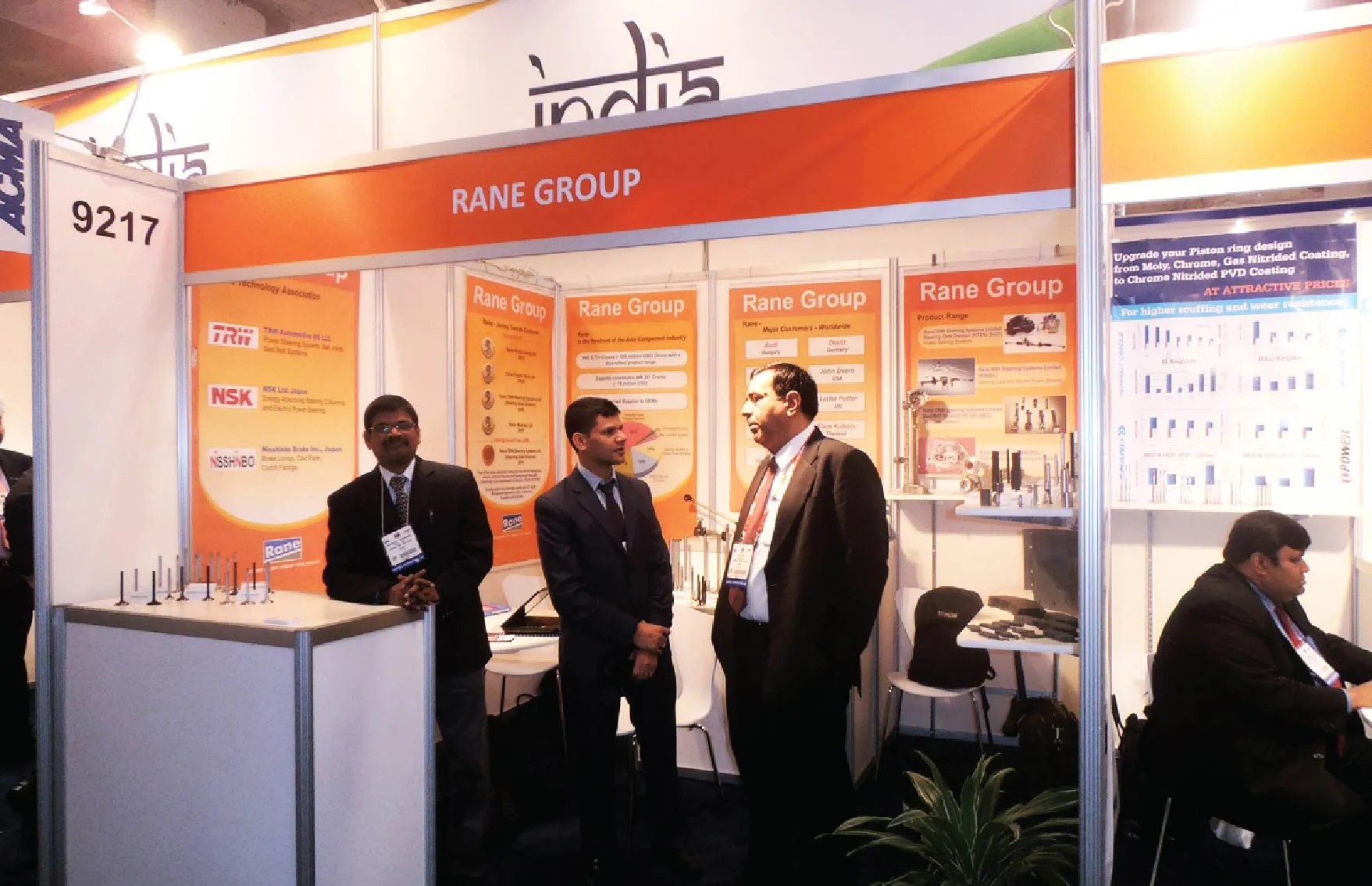
In physical exhibitions, businesses organise booths to present their products or services in person. They are mainly trade shows, expos, product launches, or conventions for specific industries held in big rooms. The consumers visit to look, feel, and sample. They can even converse with actual company personnel.
Virtual exhibitions are internet exhibitions where individuals can walk through booths, attend webinars, and interact via digital equipment. 63% of exhibition organizers plan to invest more in virtual exhibitions in 2026. The Global Virtual Exhibitions Market is expected to rise to $236.7 billion from $193.5 billion in 2024 to $537 billion by 2029, increasing at a steady rate of 22.7% annually.
| Criteria | Physical Exhibitions | Virtual Exhibitions |
|---|---|---|
| Cost | High setup, travel, logistics | Low cost, no travel |
| Reach | Geographically limited | Global access |
| Engagement | Strong in-person interactions | Tech-driven engagement tools |
| Setup Time | Longer, more logistics | Faster, platform-based |
| Product Demo | Hands-on experiences | Simulated via videos/AR |
| Lead Capture | Manual & digital | Fully digital & trackable |
| Networking | Spontaneous, face-to-face | Scheduled, digital |
| Sustainability | Higher carbon footprint | More eco-friendly |
A hybrid exhibition combines online and offline components within one exhibition platform.
Your business type is essential when selecting physical, virtual, or hybrid exhibition formats.
Many top companies now use physical, virtual, or hybrid exhibitions to connect with customers smartly.
The physical exhibits offer touch, feel, and face-to-face interaction, helping build trust in ways that digital media does not always achieve. Online exhibitions are economical and time-saving, allowing people to access them from any location using mobile phones or laptops. Hybrid exhibitions combine the best of both worlds, offering a larger audience reach, greater flexibility, and live interaction both onsite and online. There is no single ideal format; the right choice depends on what your company wants to achieve from the exhibition. Selection should be based on the product, available budget, audience preferences, and overall brand goals. Whether it is a blended, physical, or virtual exhibition, planning and execution play a critical role in turning the exhibition into a success. With our experience as an exhibition stand design company, we understand how the right format and design strategy enhance brand visibility and engagement. You can explore our executed projects and concepts through our exhibition stand design work. For consultations or project discussions, feel free to connect with us via our contact page and create an exhibition experience that leaves a lasting impression.
Industries like software, e-learning, IT services, digital marketing, and SaaS platforms benefit significantly from virtual exhibitions. These sectors can showcase offerings using demos, webinars, and downloadable content without requiring physical infrastructure.
Hybrid exhibitions enhance ROI by combining in-person engagement with global digital reach. Brands can capture more leads, increase brand exposure, and extend event value through on-demand digital content.
Yes, virtual trade shows are budget-friendly and ideal for small businesses. They cut costs on travel and setup while providing a professional platform to connect with global audiences and generate leads.
Technologies such as 3D modeling, virtual reality (VR), augmented reality (AR), and real-time video streaming enable engaging, immersive, and interactive virtual exhibition experiences.
Success can be measured through engagement rates, number of qualified leads, session views, interaction data, and post-event analytics provided by the virtual event platform.
A virtual booth should feature product videos, brochures, live chat options, appointment booking, brand banners, and CTA buttons to help attendees explore and interact with your offerings.
Yes, hybrid exhibitions are highly effective for B2B brands. They support both in-person networking and remote digital participation, making it easier to engage with global clients and partners.
Planning for a hybrid exhibition should begin at least 3–6 months in advance to ensure time for venue booking, digital platform integration, marketing, and speaker coordination.
Effective promotion involves SEO-optimized landing pages, social media ads, email campaigns, influencer outreach, and content marketing through blogs, videos, and PR.
Yes, virtual and hybrid formats are ideal for product launches. Brands use livestreams, virtual booths, and real-time interaction tools to engage global audiences and build excitement.
Also Read: The Psychology of Booth Design: Attracting Visitors
Also Read: 7 Pro Tips to Make Your Exhibition Stand Interactive
Also Read: How to Choose the Right Exhibition Stand Type
Also Read: How 3D Design is Revolutionizing Exhibition Stands
Also Read: How to Design an Eye-Catching Exhibition Booth
Also Read: The Rise of Interactive AV (Audio-Visual) in Exhibitions
Also Read: How AI is Transforming Event Engagement
Also Read: Mistakes to Avoid in Exhibition Planning