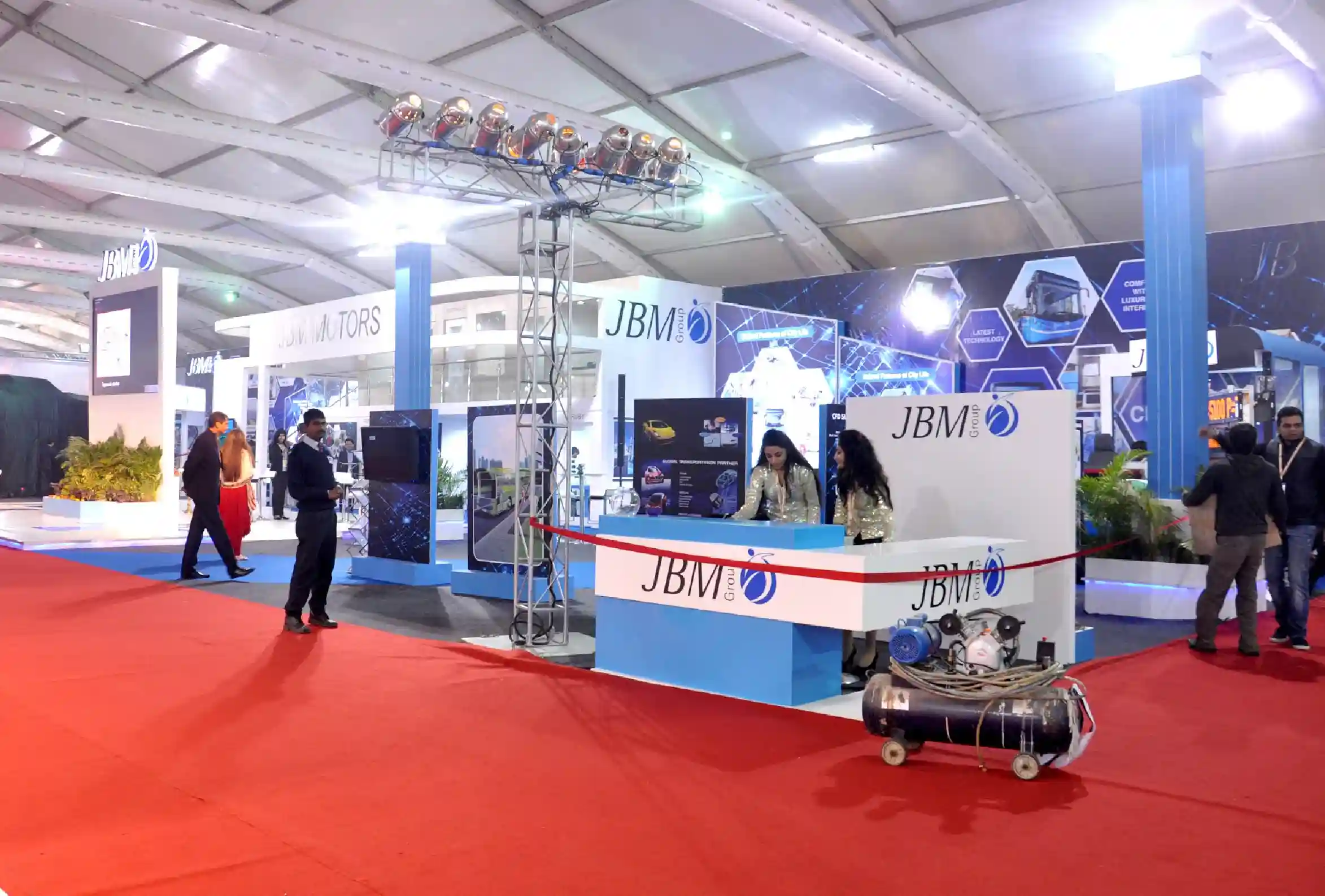
You may wonder why some expo booths are busy while the others are not. An effective booth goes beyond showcasing a logo and product samples. It can initiate interactions, gather valuable contact information, and convert visitors into sales leads. The secret to making the booth successful is to make it about lead generation from the start. All of the experience should lead visitors to a clear action. The objective of your booth from the very beginning, all the way through to the last follow-up, is to produce quality leads that your sales staff can utilize.
Before you start creating the booth, you should first know what you will be trying to accomplish. Inquiries, Distributors, Demos, Business Meetings, or qualified sales leads?
Having a clear objective, which means the relationship between the parties is defined, will enable you to structure the visitor journey. If not, your stand could be a pretty stand but a useless one.
Define an achievable goal for leads and quality. For instance, rather than targeting hundreds of arbitrary contacts, target visitors who have a target customer profile.
You have a few seconds to get your visitor's attention. Have a powerful headline that lets visitors know what your company is and why they should STOP.
Don't get too many ideas in your head. Don't cram a wall full of long paragraphs and loads of product information. It's very important that your visitors feel your value quickly while they are walking by your stand.
Put the most impactful message in the middle of the image. Apply clear branding, clear signage, product displays, videos, and demonstrations where and when they are helpful.
Your exhibit should also be inviting and open. Excessive furniture may restrict the flow of people into the area. A well-planned layout is an important part of effective exhibition stand design, helping visitors approach and interact with your booth more easily.
No matter how great the booth is, it won't be able to produce good leads if the team is not ready. All staff should be familiar with the product, the target group, and be confident in their communication.
Do not engage in hard selling. Use simple questions to begin to understand the visitor's needs. For instance, ask what they are using for their solution or what they want to solve.
Listen carefully before presenting your product. This enables staff to know when to look at a serious prospect and when to move on to a visitor who doesn't fit the profile.
The teams can also take advantage of the expertise of experienced exhibition partners like Fusioncorp to organize visitor engagement based on target leads and not just as a branding process.
Offer a small incentive to get visitors to provide their information, but the incentive should be aimed toward your business objective.
This could be a sample of a product, an industry resource, a consultation, a product trial, or an involvement in a related business activity. Don't collect contacts just for a gift. These people may not be of much value for sales. The incentive should appeal to those who really need to be involved with your business.
A good booth should lead visitors from attraction to engagement and then on to a booth lead to capture them. Begin with a captivating message. Follow it up with an interactive experience or helpful talk. Then simplify the next step.
Your call to action could be a demo booking, meeting request, product consultation, sample request, or sign-up.
Reviewing examples of completed exhibition projects can also provide ideas for creating a booth layout and visitor experience that support meaningful interactions.
Eliminate leads that are not qualified before they leave. Not all visitors will be the same in terms of sales potential. Each contact's location on your team should be identified. A visitor might want information. Another might actively search for suppliers. It might be someone else who's making a purchase decision soon.
Write these differences in your lead system. This allows sales teams to prioritize follow-up actions by actual interest, and not by working on every contact equally.
The expo is not the end of lead generation. Follow-up is the key to converting each and every contact you gather into a real opportunity. Follow up with prospective leads immediately after the event. Mention the name of the product, demonstration, or conversation that took place at the booth.
Personalized follow-up is more beneficial than a mass message to all visitors.
Develop various follow-up messages to various types of leads. The key is in the understanding that a ready buyer requires a sales conversation, and an early-stage prospect needs more information before they can enter into a sales conversation.
Monitor performance to evaluate and enhance future performance. Track Leads, Meetings set, demos scheduled, inquiries received, and follow-up responses.
Inspect what activities had the most impact on engagement. It could turn out that a product demonstration generated more leads than a promotional giveaway.
Compare your results with your original goals. This will help you to identify what went well and what areas you need to improve upon.
The ultimate goal of a successful expo booth is to bring in the right visitors, stimulate valuable dialogue, collect valuable information, and inspire the right action. Design doesn't lead to leads, by itself. The message, the personnel, smart lead capture, qualification, and timely follow-up are all required. If you coordinate all the parts, your booth can be a useful machine for generating leads. Businesses can add this as a complement to the expertise of Fusioncorp in exhibitions.
If you are planning an upcoming exhibition and want to discuss your booth requirements, you can contact Fusioncorp to explore your exhibition stand needs.
Modular stands are reusable and made from pre-built components, while custom stands are designed from scratch specifically for a brand and a particular event.
Modular stands are usually better for startups as they are cost-effective, reusable, and easier to set up for multiple exhibitions.
Custom stands are worth the investment for brands looking to create a strong visual impact, launch products, or build a unique brand presence at high-profile exhibitions.
Yes, with the right design, lighting, and graphics, modular stands can achieve a modern and premium look while still being cost-efficient.
Modular stands are easier to transport because they are made of lightweight, detachable components that can be packed and reused.
Your decision should depend on your budget, frequency of exhibitions, brand goals, and the level of impact you want to create at the event.
Yes, modular stands allow branding through interchangeable graphics, panels, and lighting, making it easy to update designs for different events.
Custom stands are generally designed for a specific event, but some elements can be reused with modifications depending on the design.
Modular stands are quicker to install because they use pre-fabricated components, reducing setup time at the exhibition venue.
Large brands often prefer custom stands for major events to create a strong impact, but they may also use modular stands for frequent exhibitions.
Also Read: The Psychology of Booth Design: Attracting Visitors
Also Read: How to Choose the Right Exhibition Stand Type
Also Read: How 3D Design is Revolutionizing Exhibition Stands
Also Read: How to Design an Eye-Catching Exhibition Booth
Also Read: The Rise of Interactive AV (Audio-Visual) in Exhibitions
Also Read: Virtual vs. Physical Exhibitions: What Works Best?
Also Read: How AI is Transforming Event Engagement
Also Read: Mistakes to Avoid in Exhibition Planning