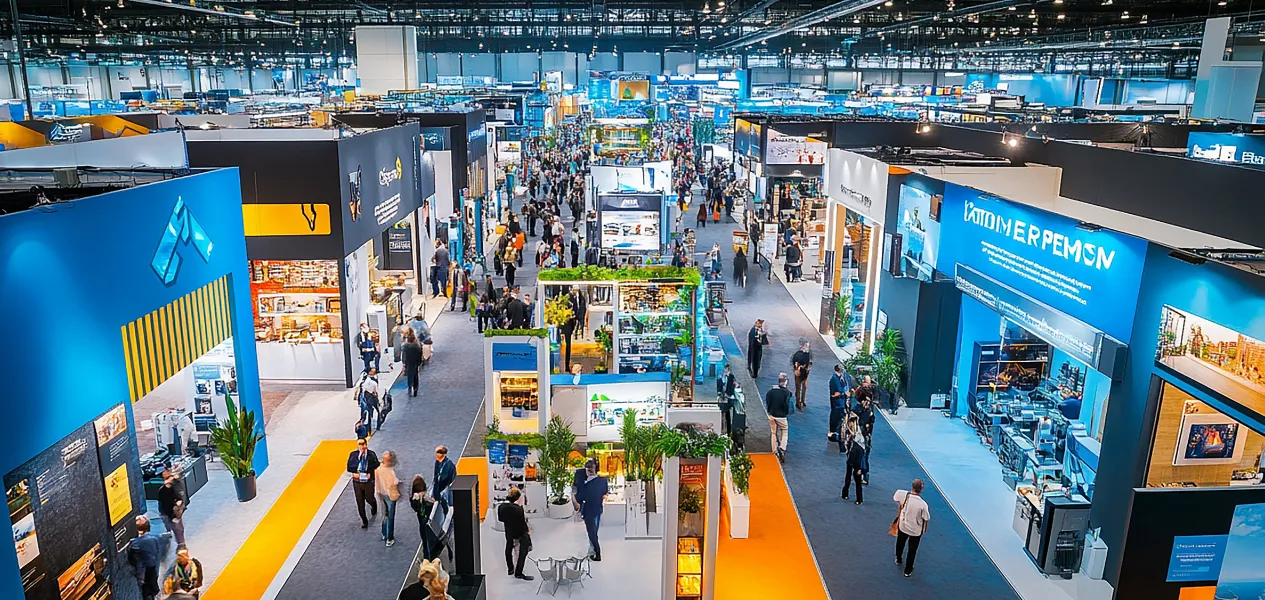
Once a business decides to participate in an exhibition, the first thing that comes to mind is the duration that the entire process will take. Time is also essential owing to exhibitions that have strict deadlines. Late deliveries may have an impact on brand presence and investment. The short answer is that designing and building an exhibition stand can take anywhere from a few weeks to several months. The precise date will be based on the planning, approvals, material and the kind of stand selected. Learning the steps assists in making reasonable expectations and preventing the unexpected.
The process starts with the design of well-organized exhibition stands that are well-organized. This becomes the way of transforming the ideas into a real space, which constitutes a brand. Through every step, the final timeline is involved.
The initial level begins with an elaborate discussion. During this encounter, the client gives an account of the goals, the type of audience and the message. The team researches the venue of the exhibition, the size of the booths and the rules of the event. Effective communication in this case will be time-saving in the future. Designers proceed with confidence and minimal revisions because goals are always clear.
After the initial discussion, designers create concept layouts and visual ideas. The concepts demonstrate the appearance and functionality of the stand. The stage can last between two and three weeks. The feedback of the clients is essential here. Several design changes may stretch this phase. An approved idea preconditions the construction stage.
After the design has been approved, materials and budget become the interest area. The team picks panels, lighting, flooring and elements of display. All the material options influence the cost and the longevity. This measure usually needs one or two weeks. At an early stage, material choices minimize time losses in the future. Costing is also accurate, and thus the project is not over budget.
Many practical considerations influence the time in which the whole process is to be completed. By being aware of these factors, businesses can plan and make the correct choice.
Higher stands take longer design time and time to build. Strauss is a foolproof system requiring fewer attempts than a multi-level or open island stand. Shapes with complex shapes and finishes increase the additional days of production. Smoking modular installations can be completed in weeks. Very huge custom stands can take months.
Custom features are not only something that adds value but also adds time. Special light, interactive premises, and branded walls should be designed. Every custom component is tested and modified. These measures make the process take up more time, and they enhance brand memory. The companies ought to strike a balance between uniqueness and timing.
The materials contribute significantly to scheduling. Some are still easily accessible. One is required to be ordered in advance or made. Slowed construction may be a result of delays in sourcing. Early procurement minimizes the risk and stabilizes the schedule.
The kind of stand significantly impacts the time of building. Modular stands involve pre-bought components. The design, on average, would take three to four weeks before it is installed. Custom stands are associated with new design and production. These stands are possible in six weeks to months. The decision is based on brand objective, cost, and the long-term application.
Construction begins only after final approval and agreement. Fittings, print graphics, and the building of the structure are made by highly qualified teams. The step usually lasts between two and six weeks. Big stands should be more coordinated and quality checked. Project management makes sure that there is a gradual development at this stage.
Once fabricated, the stand is taken to the exhibition site. Depending on size, installation typically requires one to three days. Teams of people construct structures, install lights and test displays. The guidelines of events determine the hours of setup. Last-minute problems are avoided by proper planning.
Novices to the show usually require more time to make decisions and approvals. It is a slow and explicit process to learn. Buffer time can be allowed in order to handle stress and enhance results. Design teams can also help in creating confidence and easier coordination by being involved at an early stage.
Effective scheduling also enhances collaboration among the designers, builders, and organizers of the event in strict time frames for preparing the exhibition.
Most companies invest in tailor-made exhibition stand solutions even when the deadlines are extended. Custom stands have greater visibility and higher brand recall. They permit us to utilize the available space and facilitate specific marketing objectives. A professionally designed stand shows the values of the brand and profession. In the long run, long-term customer relationships achieve better returns and value.
A memorable visitor experience is also created with custom stands. Those visitors who visit remember those brands that have clear stories presented by design. Active areas and bright images stimulate interest. This interaction results in superior discussions and leads to the event.
Timely planning is the most critical aspect of timely delivery. Brands that initiate the design communication in time do not take hasty decisions. Obvious approvals and feasible due dates will assist in lowering execution. Planning also enables one to think creatively without being under pressure.
An exhibition stand is time-consuming, demanding and coordinated to design and construct. All the stages influence the final timeline between the initial meeting and final installation. Basic stands require less time, and advanced custom builds require more time. Late decisions can be avoided by adequate planning and early decisions. Brands that save time tend to perform better at the event. To make the presence at the exhibition meaningful, collaborating with professionals, such as Fusioncorp, assists in converting the timelines into a successful performance.
Explore expert solutions from a leading exhibition stand design company or contact us to plan your next exhibition efficiently.
A simple modular exhibition stand can be designed and built in approximately 3–4 weeks, provided approvals and materials are finalized quickly.
Custom exhibition stands typically take 6–12 weeks depending on design complexity, approvals, fabrication requirements, and structural specifications.
Yes, smaller modular stands with minimal customization can be completed within a month if planning, approvals, and material sourcing are streamlined.
Common delays include late design approvals, changes in specifications, material sourcing issues, venue compliance requirements, and last-minute revisions.
Installation usually takes 1–3 days depending on stand size and structural complexity. Larger or multi-level stands may require additional setup time.
Businesses should ideally begin planning at least 3 months before the exhibition to allow sufficient time for design development, fabrication, and approvals.
Yes, venue approvals and structural compliance checks can impact the schedule. Submitting designs early helps prevent approval-related delays.
Yes, modular stands are generally faster to produce because they use pre-engineered components that require less fabrication time.
The design approval stage typically takes 2–3 weeks depending on feedback cycles and the number of revisions requested.
Yes, significant design or structural changes made after approval can extend fabrication time and impact the overall delivery schedule.
Also Read: The Psychology of Booth Design: Attracting Visitors
Also Read: How to Choose the Right Exhibition Stand Type
Also Read: How 3D Design is Revolutionizing Exhibition Stands
Also Read: How to Design an Eye-Catching Exhibition Booth
Also Read: The Rise of Interactive AV (Audio-Visual) in Exhibitions
Also Read: Virtual vs. Physical Exhibitions: What Works Best?
Also Read: How AI is Transforming Event Engagement
Also Read: Mistakes to Avoid in Exhibition Planning