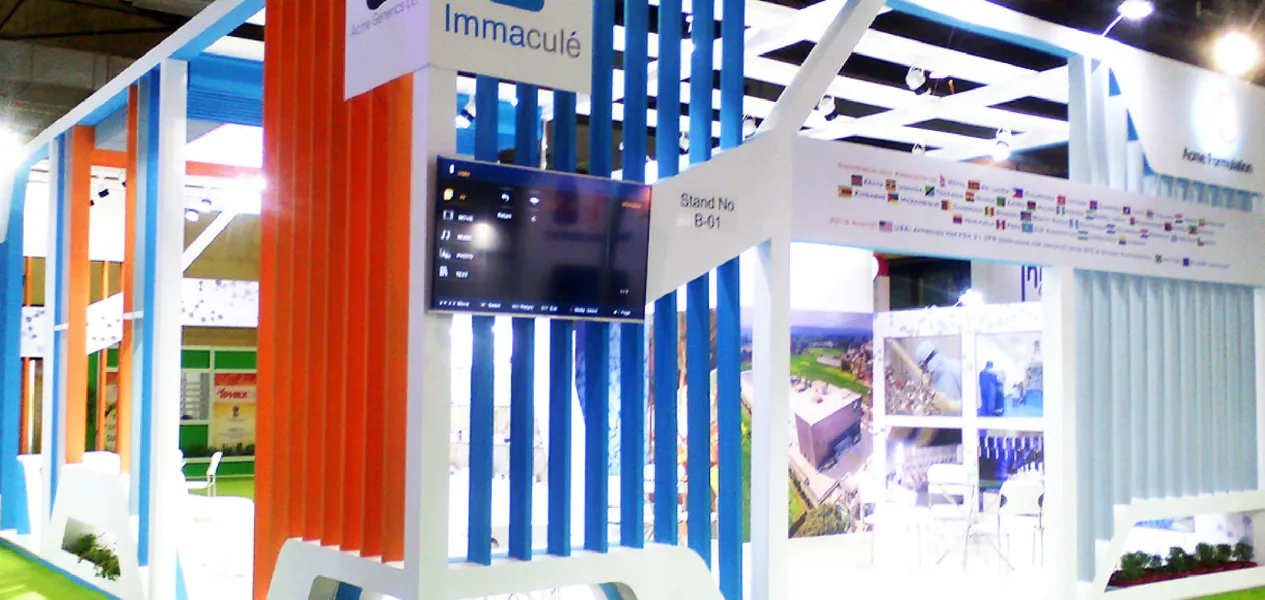
Geometry plays a crucial role in designs across architecture and fashion. Exhibition Stand design is no exception. Exhibition stall designs can leverage geometric shapes and principles to attract more customers, guide their attention, and help them engage more easily with the products or services being offered. Incorporation of geometric booth design not only makes the stalls visually attractive but also practical and functional, which can help in brand communication and guide visitor flow. However, it requires knowledge and expertise to use geometric principles and shapes for successful exhibition stall layout ideas. Here, we will discuss the key geometric secrets one should know for winning exhibition stall designing:
In order to leverage geometric shapes for successful exhibition space planning, one must have a clear idea about the psychology of Geometric shapes.
A circle is a primary shape in geometry. Carved lines of shapes such as ovals and circles can make a space feel softer and welcoming. Such shapes exhibition stalls evoke feelings such as harmony and unity, making the audience feel more at ease so they can easily engage.
Squares and rectangles are some common shapes in geometry. These shapes represent balance, trust, professionalism, and stability. When these shapes are used in exhibition stall designs, they create a sense of order and guide visitor flow.
Triangles can play a crucial role in geometric exhibition design principles. Triangles can be used to point in a certain direction. This shape represents direction, dynamic power, forward movement, and innovation. This shape in exhibition stalls can be used to guide customers' vision to certain displays.
Irregular or custom geometric shapes can also be used for a visually appealing booth shape strategy. They help one create a modern and innovative design that easily catches the eye and attracts more audience to the booth.
As you have learned about the psychology behind various geometric shapes, it is time to know how to use geometric shapes and principles for a winning stall design:
Geometric principles can be used for exhibition space planning. Geometry directs viewers’ vision through the booth. One can also strategically place interactive elements in exhibition stalls at specific depths and angles to attract the viewer's attention. Efficient use of shapes with various signs can also positively impact traffic movement patterns in a booth.
Geometric principles can also guide visitor flow by using various geometric shapes. The geometric design of the overall layout of a booth can improve visitor flow and functionality. Island or L-shaped exhibition booths create a logical and clear visitor flow design that reduces the chances of clutter.
Effective use of angles, height, and dimensions creates a sense of visibility and depth in the stall. For example, crucial displays and signage are positioned at such an angle which is above eye level to increase visibility. Also, the vertical geometry of a booth increases its visibility from across the exhibition hall.
Geometric patterns, especially repetitive patterns, attract an audience. Patterns are also used in booth flooring and background that improve brand identity. Not only that, but the use of innovative geometric patterns and shapes also increases the aesthetic appeal of an exhibition booth.
The use of symmetrical design in exhibition stall layout ideas offers a formal and balanced atmosphere, which can be helpful for corporate exhibition booths. On the other hand, businesses that deal with art and similar matters can use asymmetrical or irregular booth design. The use of unexpected forms in asymmetrical design showcases innovation and dynamism. In some cases, symmetrical and asymmetrical designs are combined for unique booth designs.
When geometry is used wisely in exhibition stall design, it can attract visitors and command their gaze. Here are some best practices for using geometric patterns and shapes in exhibition booth design:
The best way to make the most of geometric designs is to integrate these designs with lights. Incorporation of lights creates focal points. Light can interact with the geometric structures and shapes in an exhibition booth. Light, along with geometric forms and shapes, creates a dynamic and dramatic visual effect.
Geometric shapes and structures can also be used to increase the footfall of the audience in an exhibition booth. Geometry can improve traffic movement patterns. For example, L-shaped and island exhibition stalls can enhance visibility, engagement, and accessibility.
Often, the use of geometric patterns means creating a clean and formal design that ensures easy flow of traffic and increased audience engagement. Straight lines and structured lines can offer a welcoming space and also create a visual order and hierarchy, helping your audience to focus on certain displays.
Visually interesting forms can also be used for a booth shape strategy. Attractive forms such as carved walls, 3D elements, and geometric patterns can help you to stand out among similar-looking exhibition booths. Nowadays, 3D stall visualisation helps designers to decide on designs and understand the merit of geometric patterns before using them.
It is also essential to ensure coherence while designing an exhibition booth. The design of the booth and the brand identity should be presented coherently to increase brand trust. The use of technology also improves the booth design. An interactive booth layout with the use of AI, ML, and NLP is also helpful for improving the practical nature of booth design.
Geometric stall designs are one of the most popular stall designs in modern times and for good reason. There are several opportunities you can explore with these types of stall designs, as they can be used to create minimalist design concepts as well as dynamic and immersive designs by incorporating the latest technologies. With Fusion Corporate Solutions, you can explore interesting and unique exhibition stall layout ideas.
Geometry helps create visually appealing and functional stall designs. Geometric shapes guide visitor attention, organize space effectively, and improve how people move and interact within the booth.
Different geometric shapes create different psychological responses. For example, circles feel welcoming, rectangles suggest stability, and triangles guide direction. These shapes help direct attention and influence how visitors engage with the booth.
Circles and ovals create a softer and more welcoming environment. These curved shapes evoke feelings of harmony and unity, making visitors feel comfortable and more likely to interact with the booth.
Squares and rectangles represent stability, balance, and professionalism. These shapes help create structured layouts that guide visitor movement and present the brand in an organized manner.
Triangles are often used to direct attention toward specific displays or messages. Their pointed structure naturally guides the viewer’s eyes toward important products, signage, or promotional areas.
Geometric layouts help organize the booth space with clear pathways and zones. Designs such as island or L-shaped booths allow visitors to move smoothly through the space without congestion.
Symmetrical designs create a balanced and formal look, often used by corporate brands. Asymmetrical designs are more dynamic and creative, helping brands stand out with unique visual structures.
Geometric patterns can reinforce brand identity through repeated shapes, colors, and layouts. These patterns help create a memorable visual theme that strengthens brand recognition.
Lighting highlights geometric shapes and structures, creating dramatic visual effects. Proper lighting can emphasize focal points, improve visibility, and make the booth more attractive from a distance.
Technologies such as 3D visualization tools allow designers to test geometric layouts before construction. This helps optimize structure, aesthetics, and visitor flow while ensuring the booth aligns with brand identity.
Also Read: The Psychology of Booth Design: Attracting Visitors
Also Read: How to Choose the Right Exhibition Stand Type
Also Read: How 3D Design is Revolutionizing Exhibition Stands
Also Read: How to Design an Eye-Catching Exhibition Booth
Also Read: The Rise of Interactive AV (Audio-Visual) in Exhibitions
Also Read: Virtual vs. Physical Exhibitions: What Works Best?
Also Read: How AI is Transforming Event Engagement
Also Read: Mistakes to Avoid in Exhibition Planning