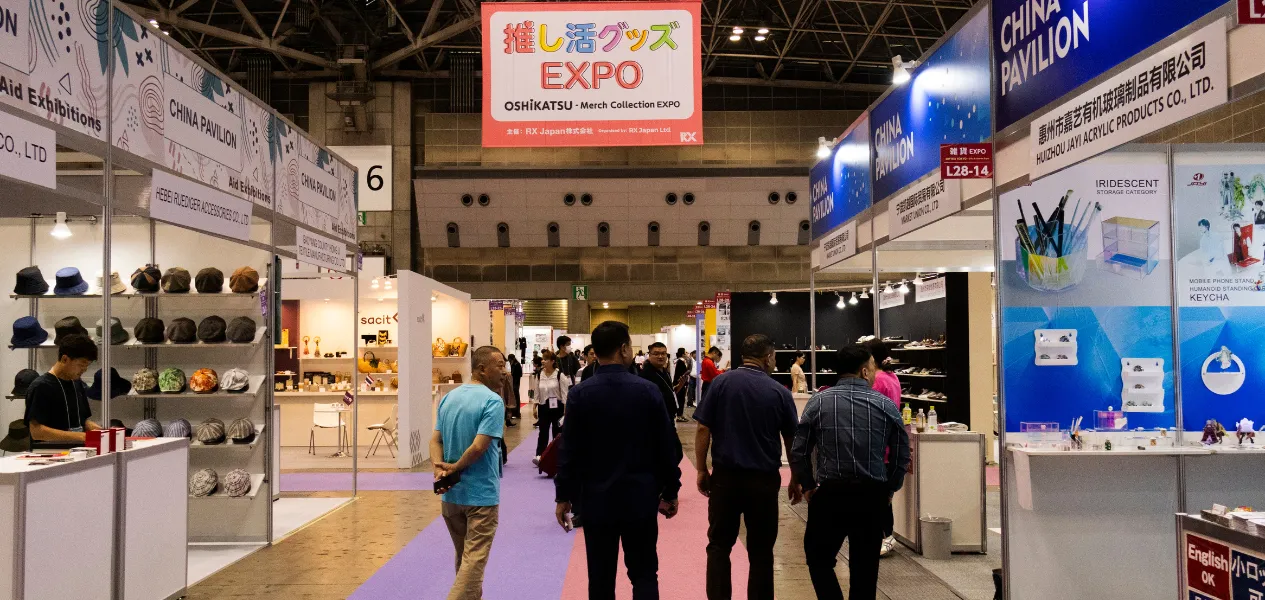
In today's modern world, trade shows have evolved and turned into a global event. Also, when you aim to arrange a trade show aimed at international audiences, it must go beyond design, structure, and theme. One must consider the cultural diversity among the audience to gain global preference and a spotlight.
International exhibition design is a unique stall design that focuses on cross-cultural branding and marketing elements. They are more than structural and functional elements that serve as a platform for engaging audiences from diverse cultural backgrounds. So, if you are also aiming for an international exhibition, keep reading! Here, we will talk about designing for cultures and global stalls that connect many.
Culture is an important aspect that shapes our viewpoint and how we perceive the world. In terms of exhibition stand design, culture plays an eminent role in determining how a brand is perceived or presented. Cultural influence can impact almost every aspect of exhibition design for the global market. This includes color schemes, spatial layouts, and more. By accepting and incorporating such cultural design elements, stall designers can create stalls that go beyond visually appealing aspects and create culturally relevant stalls.
The best global trade show strategy involves various cultural aspects and regional design preferences. Here are the key strategies for designing global stalls-
The first and most essential for global booth customization according to the cultural aspect is in-depth research on different cultures. Remember, regional design preferences are the key to ensuring the success of your international exhibition stall design. Therefore, in-depth research on different cultures is essential to understand the audience from diverse cultural backgrounds. Also, performing through research is essential for attracting a multicultural audience base and creating stall designs that appear relevant across cultures.
Wisely avoid social and cultural stereotypes that have the potential to be perceived as insensitive. Also, set your intentions clearly and respect socio-cultural norms and be aware of maintaining different (local) cultural etiquettes, such as handshakes, bows, and regional preferences.
Mindful use of symbols and colours is another essential and effective strategy for designing global stalls to cater to regional design preferences. Color psychology matters when it comes to international exhibition stall design. Understand the regional connotation of different colors before using them. One of the finest examples can be the color white, which is sometimes considered a color for mourning in certain Asian cultures, while in most Western countries it symbolises peace and purity.
Also, price only well-recognised symbols and test them in different cultural groups to note responses. Also, remember, your stall presentation must reflect the diversity of your audience backgrounds through clear and high-quality images, directly speaking about your cross-cultural branding.
A welcoming atmosphere and strategic layout are other essential and beneficial strategies that can ensure multicultural audience engagement. The design of your international trade show stall must be welcoming to ensure a greater scope of exploration. Keep your global booth customization clutter-free, airy, and open to all. Also, your stall design must provide a warm and welcoming atmosphere to the audience. The hospitality aspect is also crucial here. When your entire audience feels noticed and heard, they are more likely to accept and appreciate your stall designs. Also, try to incorporate all sensory appeals, including lights, sounds, visuals, and more, to create a thrilling and immersive experience for your audience.
Interactive and engaging experiences are the key to a successful global trade show strategy. Without interactive and engaging experiences, you cannot steal the. Interactive technology integration, such as AR/VR, digital quizzes, and interactive touchscreens, is essential for creating highly intuitive and interactive stall designs. Also, hands-on demos of your products or services allow you to directly engage with your audience and get their valuable feedback. Lastly, your booth staff must be trained culturally. They should know and respect the cultural backgrounds of your audience and not impose their assumptions on the audience and their cultural backgrounds.
Localisation of your stall, so creating a design that can speak of your brand clearly through cultural design elements. Ensure your stall design supports multilingual capabilities. This includes digital content, brochures, signage, and other content of your trade show that must be published in multiple languages. Also, focus on creating content with simple, clear, and understandable language. Try to avoid any sort of jargon, colloquialisms, or idioms that can confuse non-native speakers. Last but not least, consider using a simple and flexible design layout that can be adjusted to different reading directions, such as left-to-right, right-to-left, or up to down, according to users' preferences.
Embracing cultural diversity is another crucial element of creating a successful global trade show strategy. Creating a culturally relevant international exhibition stall design requires a thoughtful blend of different cultural sensitivity, interactive experience, and localised design elements. The primary aim of embracing cultural diversity is to let your audience, irrespective of their cultural backgrounds, feel heard, seen, and understood, leading to a greater multicultural audience engagement.
The use of latest technology also improve global and cross-cultural branding by using latest technology. Language can be a huge barrier when dealing with an international audience. Technologies such as artificial intelligence, natural language processing, and machine learning can enhance international engagement and reduce language barriers. The intuitive nature of such technologies allows better access and engagement. Also, use simple language and support multilingual support with digital content, brochures, and so on, using advanced technologies and tools.
International exhibition design primarily focuses on creating a harmonious balance of different cultures and traditions. There are a few strategies that can help you create a global trade show design that creates a harmonious balance of different cultures. Fusion Corporate Solutions offers highly innovative, interactive, and multicultural global booth designs that include an audience of different cultural backgrounds.
Cross-cultural exhibition design focuses on creating trade show stalls that align with different cultural values, preferences, and communication styles. It helps brands connect effectively with global audiences through culturally relevant visuals and layouts.
Cultural sensitivity ensures your brand message is respectful and well received. It helps avoid misunderstandings and builds trust among international audiences from different backgrounds.
Businesses can use simple layouts, neutral design elements, multilingual content, and inclusive visuals to make their stalls appealing to a global audience.
Language plays a key role in communication. Using multilingual signage, translated brochures, and digital content ensures your message is clear to visitors from different regions.
Choose visuals that are culturally neutral, diverse, and easy to understand. Avoid region-specific symbols unless they are widely recognised and accepted globally.
Common mistakes include using inappropriate colours or symbols, ignoring language differences, overcrowding the booth, and assuming one design fits all cultures.
Technology such as AI-based translation tools, interactive displays, and touchscreens can improve communication, increase engagement, and provide personalised experiences.
Staff training helps ensure respectful communication, understanding of cultural etiquette, and better interaction with international visitors.
Small businesses can use simple and flexible designs, clear messaging, and cost-effective digital tools like QR codes to create an impactful global presence.
Global branding requires adapting visuals, messaging, and communication style to different cultures while maintaining a consistent brand identity.
Also Read: The Psychology of Booth Design: Attracting Visitors
Also Read: How to Choose the Right Exhibition Stand Type
Also Read: How 3D Design is Revolutionizing Exhibition Stands
Also Read: How to Design an Eye-Catching Exhibition Booth
Also Read: The Rise of Interactive AV (Audio-Visual) in Exhibitions
Also Read: Virtual vs. Physical Exhibitions: What Works Best?
Also Read: How AI is Transforming Event Engagement
Also Read: Mistakes to Avoid in Exhibition Planning