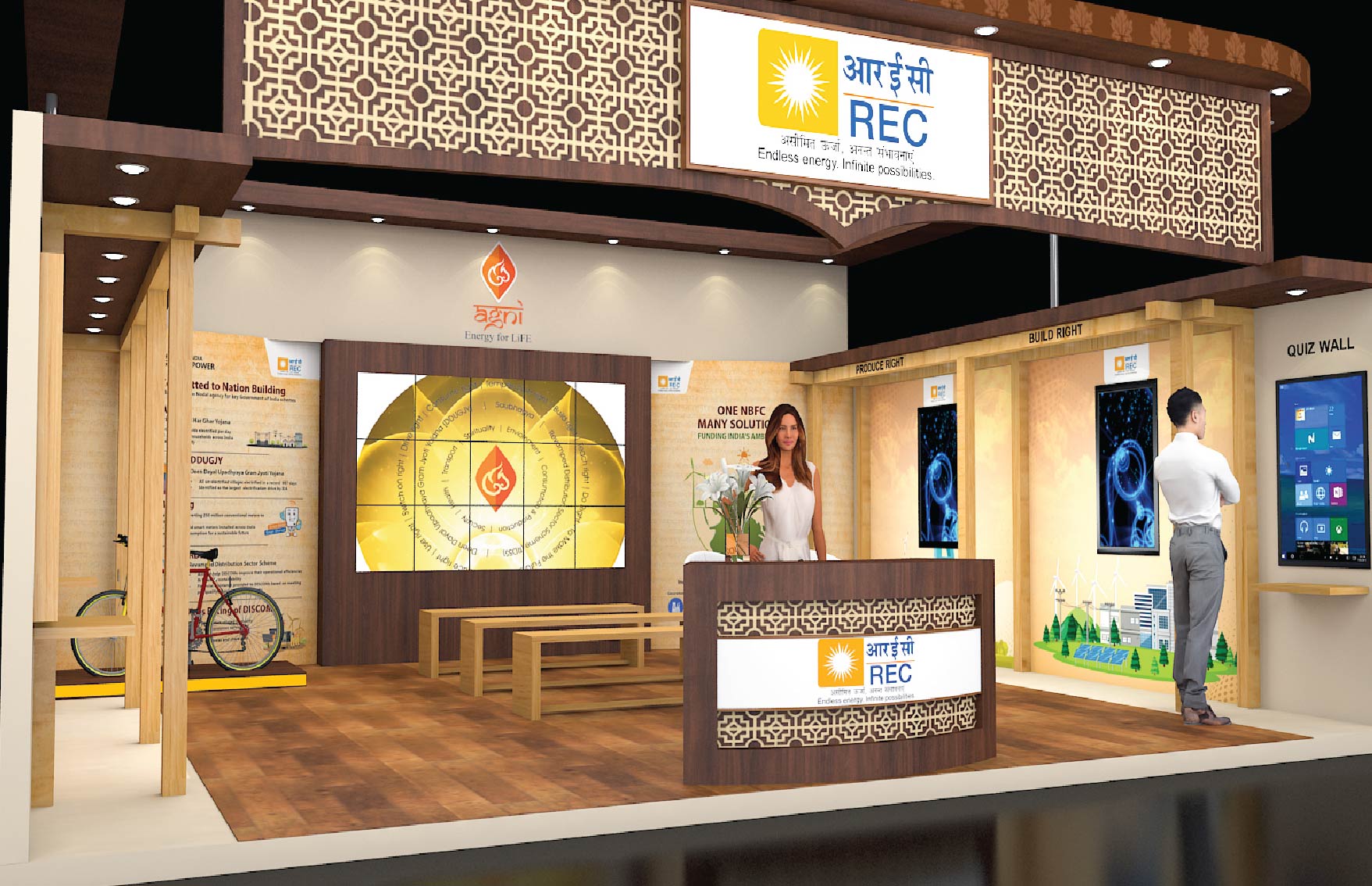
Do you think sustainability is a choice in the world we currently live in? Well, it’s no longer a “nice-to-have” in the world of exhibitions and trade shows. As brands rethink how they show up at expos, the conversation has shifted from just visibility and engagement to responsibility. But there is this one term that’s gaining attention, and that is carbon-neutral expo booths.
But what does that actually mean? And more importantly, is it something brands can realistically achieve, or is it just another buzzword?
Expos have always been high-impact marketing platforms, but they also come with a hidden cost. From one-time booth constructions to energy-heavy lighting and logistics, the carbon footprint of exhibitions can add up quickly for your business.
In fact, industry estimates suggest that up to 80% of trade show materials are discarded after a single use. And these contribute significantly to landfill waste. But now audiences are becoming more environmentally conscious, which is why brands are under increasing pressure to reduce their impact. However, they are not just doing it for the planet; they are also doing it for credibility and long-term relevance.
This is where the idea of carbon-neutral expo booths enters the conversation.
Most conventional expo booths are designed for short-term use. While they look impressive on the show floor, most of the time, they lack any long-term planning.
Here’s where the environmental impact typically comes from:
It is not just for environmental concern; this approach also leads to higher costs over time for your business. If you are planning on rebuilding booths for every event, it is inefficient, both financially and operationally. For brands participating in multiple expos each year, this impact can multiply into huge numbers.
Carbon-neutral doesn’t mean “no emissions at all.” In practical terms, it means measuring emissions, reducing them wherever possible, and offsetting the remaining impact responsibly. A carbon-conscious booth approach usually includes:
Together, these elements move booths closer to carbon-neutral goals in a practical and achievable way.
This is one of the biggest misconceptions that people hold. There is not a single physical structure, especially one that involves transport, installation, and energy use, that can be completely impact-free. While their environmental impact is less than that of the traditional ones, they still have a certain impact in their own terms.
The reality is that carbon-neutral focuses on net impact, not absolute zero. The emphasis is on reducing emissions first and using offsets only where reductions are not possible.
The most effective sustainability strategies prioritize reduction before compensation. For example:
Offsetting then becomes a supporting step, not a substitute for responsible design.
There is a lingering belief that eco-friendly booths lack visual appeal or flexibility. They cannot be as creative as the traditional ones. In reality, this couldn’t be further from the truth.
Modern sustainable booth design often leads to better creative outcomes:
Therefore, sustainability doesn’t restrict creativity; instead, it helps in sharpening it.
Today’s audiences notice how brands behave, not just what they say. And when the audience notices your sustainability, it becomes a trust signal for them.
Studies show that over 60% of consumers are more likely to trust brands that actively demonstrate sustainable practices. In expo environments, where engagement is direct and immersive, responsible design choices stand out even more.
Do you know what this means for the brands? It means stronger brand perception, better recall, and alignment with global sustainability expectations, and all this while sacrificing their impact.
If you have been considering a more sustainable approach, here are some practical steps that can help you start:
Carbon-neutral expo booths are not a myth, but they are not effortless either. They require thoughtful planning, realistic goals, and the right execution partners. And in a world where responsibility increasingly shapes reputation, collaborating with Fusion Corporate Solutions can help you balance sustainability, creativity, and performance.
A carbon-neutral expo booth is designed to reduce environmental impact by minimizing carbon emissions during construction, transportation, and operation. Any remaining emissions are offset through responsible sustainability initiatives.
No, carbon-neutral booths are not entirely emission-free. The goal is to reduce emissions as much as possible and offset the remaining environmental impact to achieve a balanced carbon footprint.
Sustainable expo booths are gaining importance because brands are increasingly expected to reduce environmental impact. Visitors and stakeholders now value companies that demonstrate responsible and eco-conscious practices.
Traditional booths often rely on single-use materials, energy-intensive lighting, and heavy transportation logistics. These factors contribute to waste generation and increased carbon emissions.
Modular booth designs allow components to be reused and reconfigured across multiple events. This reduces material waste, lowers long-term costs, and minimizes the need for rebuilding new booths for every exhibition.
Sustainable booths often use recyclable metals, responsibly sourced wood, reusable fabric graphics, and lightweight panels. These materials help reduce waste while maintaining durability and visual appeal.
Yes, sustainable booths can be highly creative and visually appealing. Modern design approaches use lightweight materials, modular systems, and clean layouts that enhance both aesthetics and environmental responsibility.
Energy-efficient lighting, such as LED systems, consumes significantly less power compared to traditional lighting. This reduces energy usage during events and lowers the overall carbon footprint of the booth.
Visitors increasingly prefer brands that demonstrate environmental responsibility. Sustainable booth designs signal commitment to ethical practices, helping build trust and strengthen brand reputation.
Companies can begin by evaluating current booth practices, adopting reusable modular structures, choosing sustainable materials, optimizing logistics, and using digital alternatives instead of printed materials.
Also Read: The Psychology of Booth Design: Attracting Visitors
Also Read: How to Choose the Right Exhibition Stand Type
Also Read: How 3D Design is Revolutionizing Exhibition Stands
Also Read: How to Design an Eye-Catching Exhibition Booth
Also Read: The Rise of Interactive AV (Audio-Visual) in Exhibitions
Also Read: Virtual vs. Physical Exhibitions: What Works Best?
Also Read: How AI is Transforming Event Engagement
Also Read: Mistakes to Avoid in Exhibition Planning