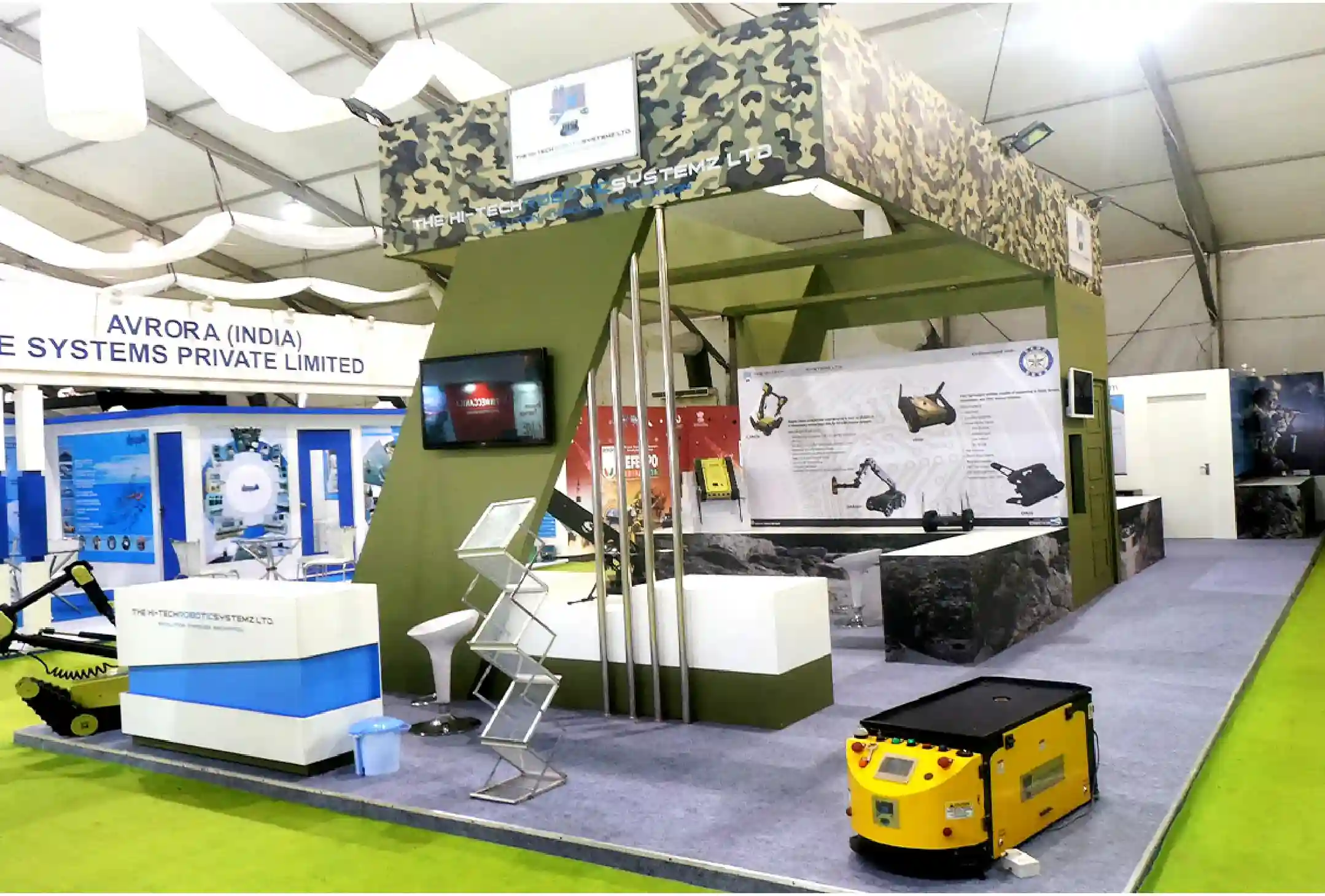
As one walks around any given major exhibition floor, one of the first things that becomes immediately apparent is that some booths can stop people in their tracks, while others barely register a glance. Of course, one might at first glance attribute it to aesthetics. Does it look good? Does it stand out? Of course, it's also true that while it may look good, it performs poorly, and it does so briefly.
Ideally, the design of an Expo environment works well when it balances functionality and aesthetics as partners, rather than opponents. The former calls for attention, and the latter requires smoothness.
First impressions are especially fleeting in exhibition halls. People can form an impression of whether a booth is worthwhile approaching in just a few seconds. Color, lighting, booth design, and overall look are huge influencers of first impressions.
A clean and well-branded structure speaks volumes for professionalism before a word is even said. Signage can help individuals understand what a company does even before asking anyone. Even small design elements, like height or usage of white space, play a factor in the inviting nature of a booth from afar.
However, images on their own cannot create a whole experience.
Behind every visually striking booth is a framework that has to do some serious heavy lifting, figuratively and literally. Structural functionality refers to such aspects as stability, load capacity, material strength, and safe installation.
Exhibition structures are often required to support lighting rigs, screens, and shelving, sometimes along with large-sized product displays. If the build is not engineered properly under those elements, even a beautifully designed booth can become unsafe or impractical.
There's also the durability issue. Booths are assembled, then dismantled and transported, many times being reused. Materials and joints need to stand up under repeated handling without losing integrity.
These technical issues seldom come into view of the visitor; however, they profit from all these factors every minute they spend in a room that feels sound and comfortable.
One aspect of expo design that everyone forgets to address is how people move within their booth. You may have a fabulous-looking booth, but if you haven’t planned its layout well enough, you may still find it cramped.
Some elements that good space planning will cover include where people will enter, where people will talk, where products will be displayed, and where there will be storage space for products. The staff needs room to work, but not too much, so they can't be seen from the places where visitors are.
Open layouts are effective because they encourage participation. When people are able to step in as they wish without any obstacles, they become more engaged.
Materials affect appearance and performance. Lightweight panels save on transport but must also withstand lighting and handling to hold their shape. Glossy finishes may look great under spotlights, but they show scratches more readily on multi-day events.
Designers very often balance wood, engineered boards, metals, acrylics, and fabrics to achieve the right mix of strength and presentation. Notably, fire safety regulations, electrical planning, and ventilation guide the decisions of specifications, especially in large indoor venues.
It's a balancing act. Choose materials only for appearance, and maintenance becomes a problem. Choose only for durability, and the booth may look uninspiring.
Recognition of lighting is generally limited to visual contemplation. There are also structural issues with lighting. For instance, lighting fixtures add weight. Wiring must be routed safely. Heating requirements must also be understood.
At the same time, lighting affects mood and concentration. For example, warm colors create a cozy atmosphere, while directional lighting highlights information or products.
When lighting is incorporated in the early stages of the design process, it becomes a natural part of the building as opposed to a later add-on.
One may quickly assume that the more information presented graphically and in messages will create a more effective booth; however, the reality can actually have the opposite effect. Too much information prevents the average visitor from reading the information on the wall as they are walking by and trying to move around the booth and other people.
Messages that are clear and prominent, especially if placed at eye level or above, may work better. A few powerful images may communicate better than a mess of images.
This is where aesthetics and functionality converge. Clean design not only looks good, but it also helps users process information quickly.
There can be no compromise on aesthetics and structural functionality; it’s merely integration. The most efficient booths are those where design and engineering have been integrated from the beginning.
It usually works best when there are experts in the process. In fact, most exhibitors prefer working with different companies in the latter part of preparing the event. These firms specialize in making and setting up booths. Fusion Corporate Solution is a company that helps different businesses set up booths that not only look great but also function well.
Expo design can be judged on the basis of its appearance, yet it is performance rather than appearance that ultimately explains everything. No matter how impressive a booth may be, if it is not effective, its impact is soon lost, and no matter how effective it may be, if it does not present, people will naturally gravitate toward it, and brands can leave their mark.
Ultimately, good design isn’t about being seen. It’s about building an environment that works well, silently and productively, from the first visitor through to the last.
Visual appeal helps attract visitors quickly in crowded exhibition environments. Elements like colors, lighting, and branding create a strong first impression and encourage attendees to approach and explore the booth.
Structural functionality refers to the stability, strength, and safety of the booth structure. It ensures that elements like screens, lighting, displays, and shelving are properly supported and safely installed during the event.
A balanced design ensures the booth both attracts attention and works efficiently. While aesthetics draw visitors in, structural functionality ensures safety, durability, and a smooth experience for both staff and attendees.
Proper space planning allows visitors to move comfortably within the booth. It ensures there are clear entry points, product display areas, discussion spaces, and storage areas without making the booth feel crowded.
Expo booths often use materials such as wood panels, engineered boards, metals, acrylic sheets, and fabrics. These materials are selected to balance durability, portability, visual appeal, and compliance with safety regulations.
Booths are frequently assembled, dismantled, and transported between events. Durable materials and strong joints help maintain the structure’s integrity even after repeated setup and dismantling.
Lighting highlights products, signage, and key messages within the booth. It also influences the mood and atmosphere, helping create a welcoming environment that attracts visitors and keeps them engaged.
Focusing only on appearance may lead to structural issues such as weak support, unsafe installations, or poor layout planning. A visually attractive booth that lacks proper engineering can become impractical or unsafe.
Branding works best when messages are clear and strategically placed. Simple graphics, visible logos, and concise messaging help visitors quickly understand what the company offers without overwhelming the design.
Professional designers combine creative design with structural engineering knowledge. They ensure the booth is visually attractive, structurally sound, compliant with safety standards, and effective in attracting and engaging visitors.
Also Read: The Psychology of Booth Design: Attracting Visitors
Also Read: How to Choose the Right Exhibition Stand Type
Also Read: How 3D Design is Revolutionizing Exhibition Stands
Also Read: How to Design an Eye-Catching Exhibition Booth
Also Read: The Rise of Interactive AV (Audio-Visual) in Exhibitions
Also Read: Virtual vs. Physical Exhibitions: What Works Best?
Also Read: How AI is Transforming Event Engagement
Also Read: Mistakes to Avoid in Exhibition Planning